The guy behind the spreadsheets
This guide exists because I made every mistake first — then got obsessed with making sure my alliance didn't repeat them.
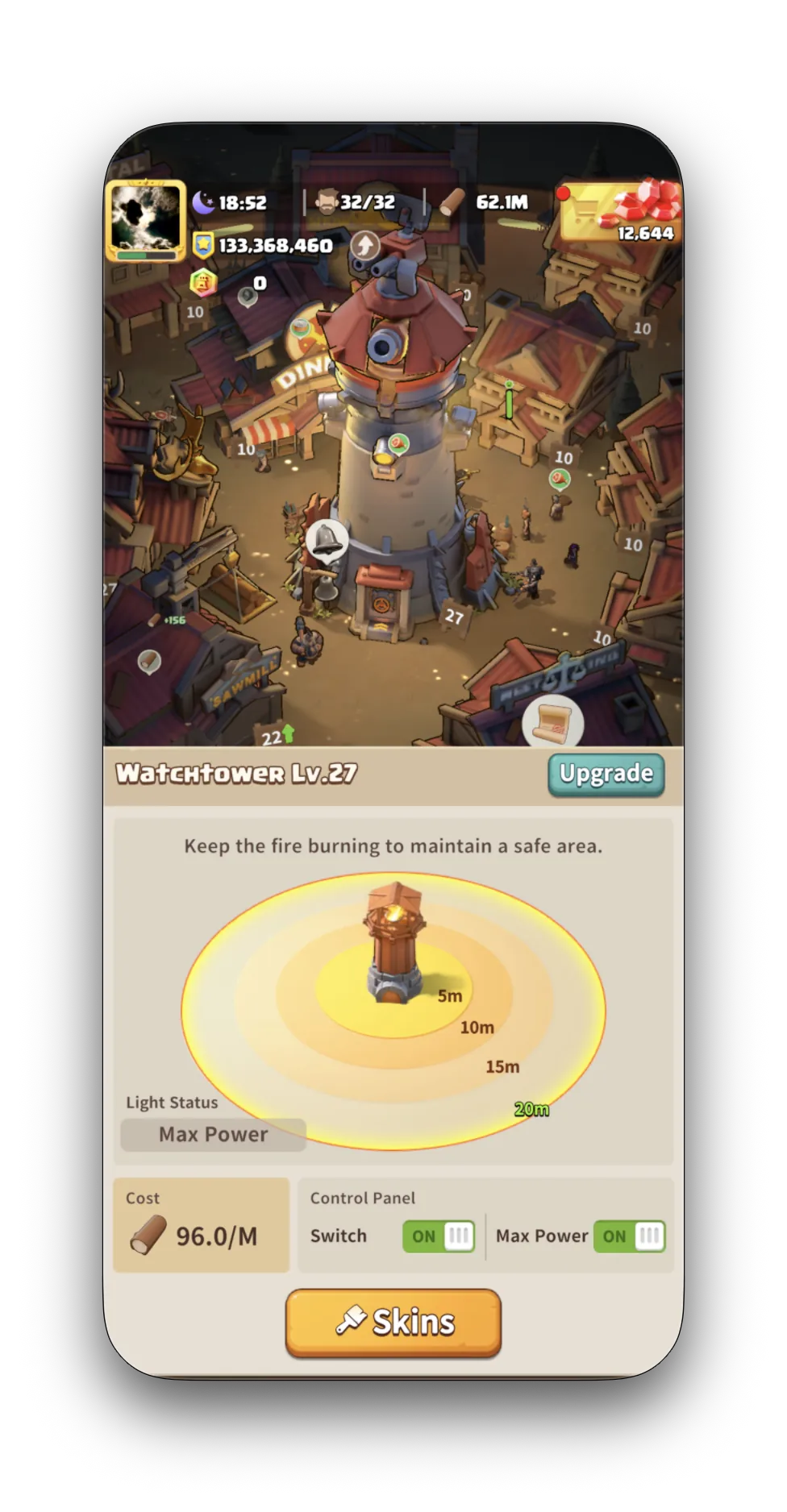
Who is CerealKiller?
A player on Server 497 who started Dark War Survival with zero strategy game experience and too much willingness to tap "Buy." By trade, I'm a marketing strategist — which means I recognised the monetisation patterns faster than most, but not fast enough to avoid falling for them myself.
I splurged. Multiple times. The countdown timers got me. The "limited" packs got me. The sick dog notification — yes, that got me too. Every emotional lever the game pulled, I pulled my wallet out.
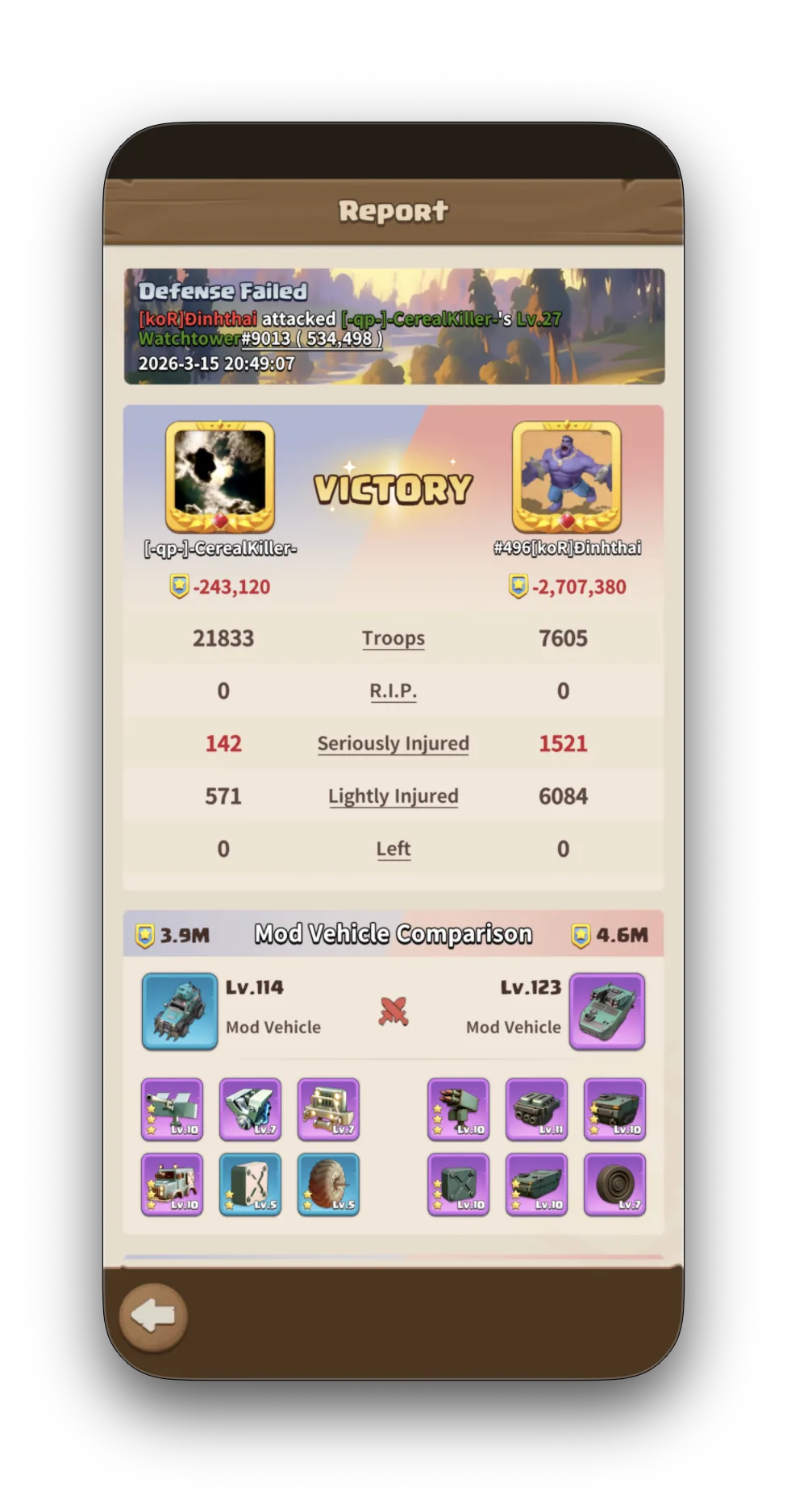
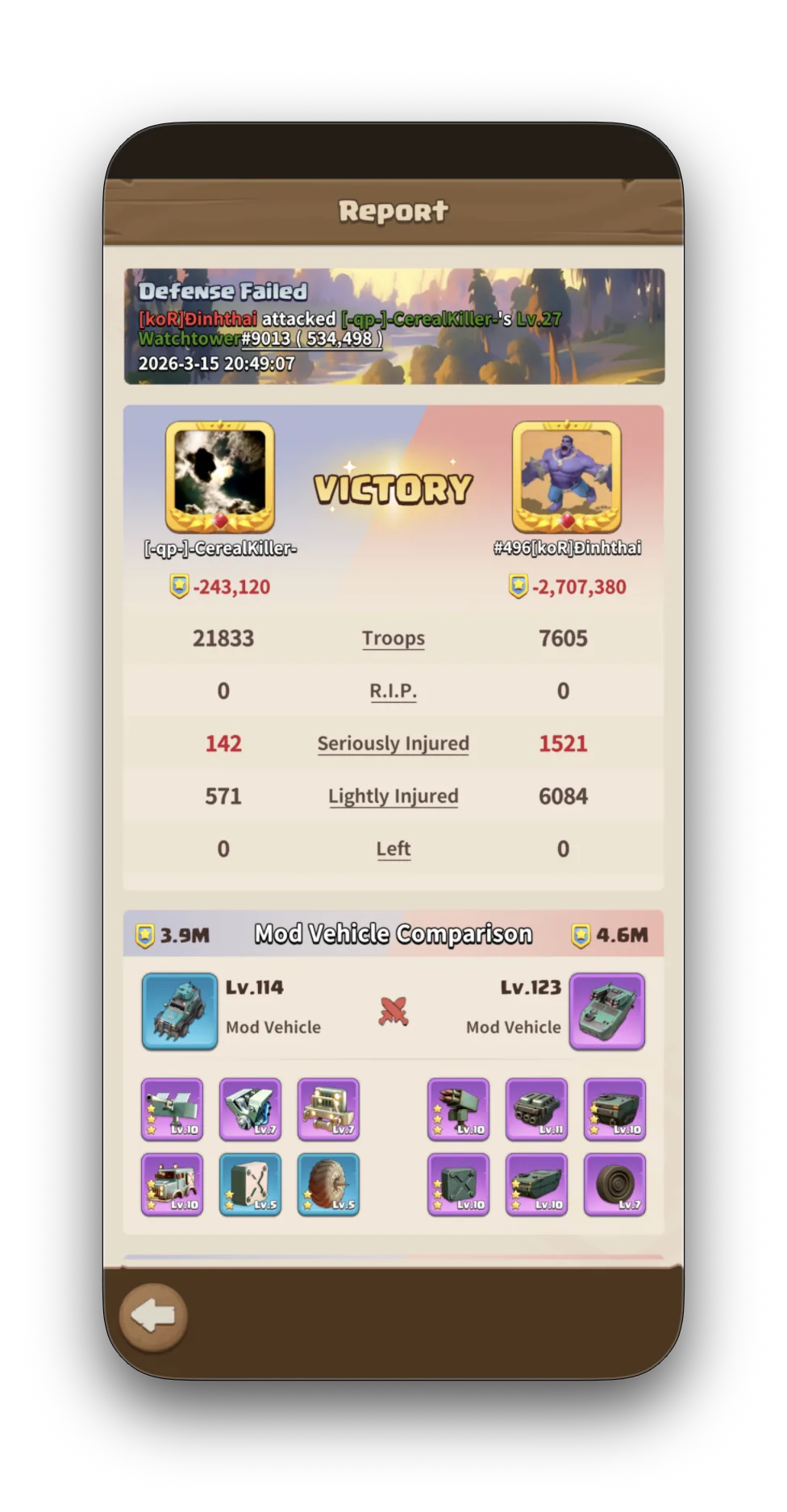
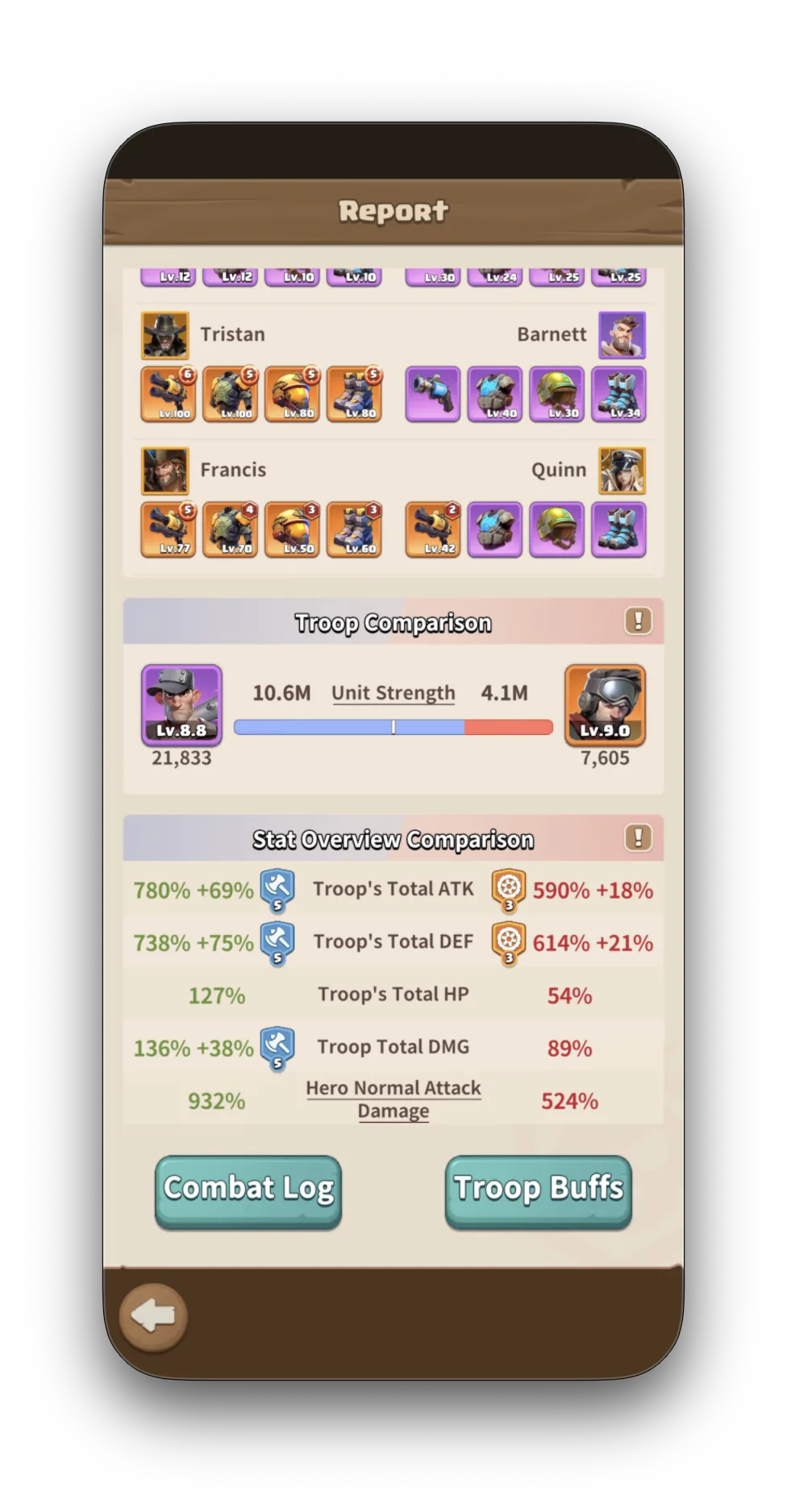
Then I started doing what I do professionally: I looked at the data. Veteran server reports. Damage formulas from content creators who actually tested them. In-game battle logs, line by line. And the picture that emerged was clear — the game rewards patience and concentration, and punishes impulse and diversification. Every mechanic confirms it.
This guide is what I wish someone had handed me on Day 1.
Why build a guide?
Because the information exists — scattered across YouTube videos, Reddit threads, Discord servers, and community wikis in three languages. But nobody had assembled it into one coherent playbook with a point of view.
Most guides online are either affiliate-driven content farms (shallow, generic, designed to rank on Google rather than help you play) or whale-perspective advice that assumes unlimited spending. Neither serves the C2P player — the person spending less than US$10/day who needs every dollar to compound.
That's the gap this guide fills. Real data, real battle reports, real spending numbers from a real account. No affiliate links. No sponsored hero tier lists. No "just buy the $99 pack" advice. Every recommendation has been tested on S497 or verified against veteran server data.
-QP- Alliance
-QP- is our alliance on S497. Not the biggest, not the highest-spending — but consistently competitive because we share information instead of hoarding it. This guide started as internal notes for alliance members who kept asking the same questions: what to build, what to skip, where to spend.
The general guides are for everyone — because a rising tide lifts all boats, and stronger opponents make the game more interesting. Alliance members can request personalised builds based on their actual rosters and Watchtower levels.
Open Invitation
If you're on S497 and looking for an alliance that shares strategy instead of just rally markers, PM CerealKiller in-game. We don't require whale spending — we require showing up and learning.
How this guide is built
Every page follows the same principle: show the math, then explain the story. Numbers without context are useless. Context without numbers is just opinion. The guide tries to give you both.
Damage formulas, troop tier stats, spending breakdowns — verified against in-game testing and community data sources like darkwar.wiki and Meta Instincts.
When I splurged, I say so. When a recommendation is based on limited data, I flag it. No pretending to have all the answers.
Every recommendation assumes you're spending less than US$10/day. Whale strategies exist — they're just not what most players need.
Zero monetisation. No sponsored content, no referral codes, no "use my link" nonsense. The guide exists to help -QP- and anyone else who finds it.
Behind the Scenes
Outside of Dark War Survival, I work as a Fractional CMO — which is a fancy way of saying I help businesses figure out their positioning and messaging. The same skill set that decodes a game's monetisation design also decodes a company's competitive strategy. Patterns are patterns.
This guide is built with vanilla HTML, CSS, and JavaScript. No frameworks, no build tools, no npm. Hosted on Cloudflare Pages. Loads fast, works on mobile, doesn't track you beyond basic analytics. The way websites should be.
If you spot errors, have data to contribute, or want a personalised build for your account — PM CerealKiller on S497. The guide improves every time someone shares a battle report or corrects a formula.
The people behind the guide
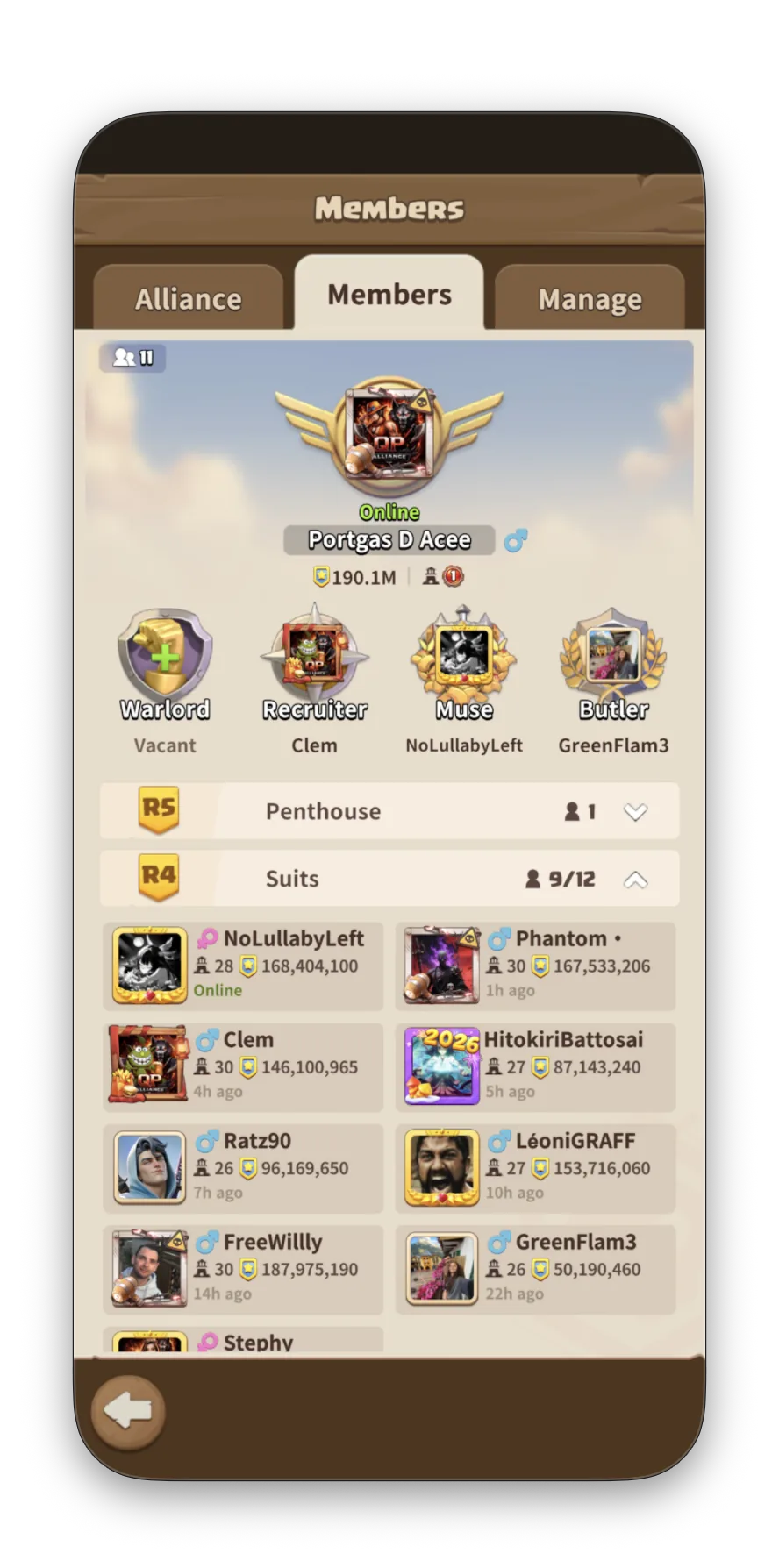
This guide has my name on it, but the knowledge didn't come from nowhere. These people in -QP- shaped how I think about this game — and without them, this would be a much worse resource.
Portgas D Acee
A legend. Acee inherited -QP- from FreeWilly, then from NoLullabyLeft — who felt Acee was the better choice to lead. He's the reason the alliance feels different from every other one in the game. He doesn't talk down. He doesn't lead through fear or ego. He serves — and that's not a word you hear often in a competitive strategy game, but it's the right one.
Under Acee, -QP- became a place where players thrive at their own pace. No pressure to spend beyond your means. No shaming for being F2P. No ego contests about who has the biggest power score. Just a space where people can learn, grow, and get stronger together. That's rare in any game, and it's the reason -QP- members share battle data, formation experiments, and hard-won lessons instead of hoarding them.
The generosity that runs through this guide — the real spending numbers, the honest mistakes, the "here's what I wish I knew" tone — that's the culture Acee fostered. When your leader creates that environment, the alliance builds things like this. And beyond all of it: thank you for the silent sacrifices you make. The ones nobody sees, the ones that hold everything together behind the scenes. We see it, even when you don't say a word.
NoLullabyLeft
The ingredient X. Every alliance needs someone who holds things together — not through volume or rank, but through presence. NoLullabyLeft is that person. Soft but firm. The one who gels the group, keeps everything in order, keeps everything in place, keeps everyone together. No drama, no power plays — just quiet consistency that makes the whole thing work.
It's the kind of role that's invisible when it's working and catastrophic when it's missing. Alliances fall apart not because of bad strategy but because nobody's holding the fabric. NoLullabyLeft holds the fabric. That's the ingredient X that every alliance needs and most don't have.
Phantom
Phantom wins with little resources — not emotional, not reactive, just precise. While other players throw money at problems, Phantom solves them with positioning and timing. The kind of player you watch and think, "I want to play like that."
This Is What Alliance Means
The game is designed to isolate you — solo timers, solo offers, solo pressure. An alliance that shares knowledge instead of hoarding it breaks that design. Acee built the environment where sharing is the default. NoLullabyLeft holds the fabric. Phantom set the standard for how to play. This guide is the result of all three.